Is Accelerated Flight Training Right for You?
Published by: Sammy Shlapak
You can be completely serious about becoming a professional pilot and still need to ask whether accelerated flight training fits your life right now. The pace asks more of you than enthusiasm. It asks for protected training time, steady study, a workable financial plan, and the ability to arrive ready for the next lesson.
At Speedway Flight Training, our Fast Track to the Flight Deck is designed as a structured route from zero experience to Certified Flight Instructor (CFI) in an estimated 12 to 18 months. Your individual timeline can vary with preparation, proficiency, weather, aircraft and instructor availability, written tests, and practical-test scheduling.
This checklist will help you decide whether the accelerated path can give you momentum or whether a flexible certificate-by-certificate pathway would be more sustainable.
Your calendar needs room for training between the flights
Imagine tomorrow’s lesson is a cross-country flight. The airplane is only one part of the assignment. You may need to review weather, calculate performance, plan the route, study the airspace, and arrive ready to explain your decisions. A crowded calendar can turn that preparation into a late-night scramble.
Accelerated training works best when you can protect regular time for lessons and the work surrounding them. That includes ground instruction, independent study, preflight planning, postflight review, written-test preparation, and rest. Our program uses one-on-one mentorship and structured preparation to help students connect those pieces, but the student still has to bring consistent availability.
Before choosing Fast Track, look at an honest week in your life:
- Can you reserve dependable training and study blocks?
- Can your work, school, or family responsibilities absorb schedule changes?
- Do you have transportation and a backup plan for early or changing report times?
- Can you protect enough sleep to learn and fly with focus?
- Can you keep studying when weather changes the flying plan?
A “yes” means those blocks already have a place on your calendar. If the plan depends on finding leftover time each day, a self-paced route may support better retention and steadier progress.

Consistent preparation helps each flight block begin with a clear objective.
Preparation should feel like part of flying
Students often picture progress in hours logged. In practice, the quality of the preparation shapes the value of those hours. A well-prepared student can use cockpit time to apply knowledge and refine skill instead of meeting every concept for the first time with the engine running.
Our private pilot training builds the first layer of that discipline through aircraft control, checklists, navigation, weather decisions, and radio communication. Later stages demand deeper preparation. Instrument students brief procedures and approaches. Commercial students refine precision. CFI candidates learn to explain, demonstrate, observe, and correct.
Use this quick self-check:
- Do you normally complete assigned reading before a lesson or class?
- Can you take organized notes and turn feedback into a study plan?
- Will you practice weak areas instead of repeating only what feels comfortable?
- Are you willing to ask questions before confusion compounds?
- Can you study regularly without needing a deadline crisis?
You do not need to arrive as an aviation expert. You do need to arrive willing to prepare. Our structured ground school, preflight and postflight instruction, mock oral exams, and FAA exam preparation give that effort a clear direction through the zero-to-CFI pathway.
Feedback has to become your next action
A debrief can be brief and still change the next flight. Maybe your airspeed wandered in the pattern, your radio call arrived late, or your checklist flow became rushed. Accelerated progress depends on turning that feedback into a specific correction before the next lesson.
Our instructors use direct, one-on-one feedback throughout training programs. The goal is repeatable proficiency and sound judgment, not merely moving to the next box on a timeline. Students who respond well to coaching tend to review the lesson, identify the cause of an error, and return with a plan.
Ask yourself how you handle correction:
- Can you separate a performance note from a personal judgment?
- Will you speak up when you do not understand the “why” behind a procedure?
- Can you repeat a maneuver or ground topic without treating repetition as failure?
- Are you comfortable being held to a consistent standard?
A strong Fast Track student stays coachable while taking ownership. That combination helps mentorship become useful action instead of another stream of information.
Your financial plan needs the complete training picture
Our zero-time Fast Track estimate is based on 268 planned flight hours plus ground-school time with an instructor, and the package identifies both included items and additional student expenses. Before enrolling, review the current details on the Fast Track program page and build a budget around the entire pathway.
Your plan should account for equipment, renter’s insurance, FAA knowledge tests, practical-test examiner fees, the medical examination, subscriptions, applicable taxes, and any extra training needed to reach proficiency. Living costs and reduced work hours can matter just as much as aviation expenses when training becomes a central part of the week.
Financing options may be available to qualified applicants through our financing partner. Loan approval, terms, fees, and repayment obligations come from the lender, so compare the full obligation with your expected training and living costs before committing.

A complete plan connects the training estimate with testing, equipment, transportation, and everyday life.
Medical planning belongs near the start
You do not need an FAA medical certificate simply to take a flight lesson with an instructor. However, students should address medical certification early, because an applicable medical is generally needed before solo unless another FAA-recognized qualification applies.
Career-focused students should discuss the appropriate medical class and timing with an Aviation Medical Examiner. If you have questions about a diagnosis, medication, prior treatment, deferral, or special issuance, use an AME and current FAA medical resources for individual guidance. Our FAA medical process guide can help you organize the first questions without trying to replace professional medical advice.
Early planning helps prevent a medical question from surfacing after you have made a large training commitment. Treat medical readiness as part of career planning, alongside schedule and funding.
Your starting point should match the right Fast Track entry
We offer multiple entry points because career-focused pilots do not all arrive with the same logbook. A zero-time student needs a different sequence from a private pilot who is ready for instrument training or an instrument-rated pilot preparing for commercial and instructor work.
| Your current position | Speedway pathway | What the structure helps you plan |
|---|---|---|
| No flight experience | Fast Track: Zero to CFI | Private, instrument, commercial, and CFI training in one connected plan |
| Private pilot certificate | Instrument Rating through commercial and CFI | The next ratings without rebuilding the whole path from zero |
| Instrument rating | Commercial Pilot through CFI and CFII | Advanced certification and instructor preparation based on your current experience |
Bring your pilot records and goals into the enrollment conversation so we can help identify the appropriate starting point. Previous certificates do not automatically answer every proficiency or scheduling question, but they give us a concrete place to begin planning.
The goal after CFI should be clear without becoming a guarantee
Many career-track pilots pursue a Certified Flight Instructor certificate after commercial training. Teaching can strengthen knowledge, communication, and decision-making while allowing qualified instructors to build experience. Certification and employment remain separate milestones, and hiring depends on qualifications, school needs, availability, and employer standards.
The broader professional path may later include CFII, a multi-engine rating, hour building, and eventual Airline Transport Pilot eligibility. Airline eligibility and airline hiring are also separate steps. Fast Track should give you a strong next milestone and a map, not an imagined shortcut around experience.
If you can explain why CFI is part of your plan, you are thinking beyond the first checkride. That long view can make the intensity of career training feel purposeful.
Score your Fast Track readiness honestly
Give yourself one point for every statement that is already true:
Eight to ten points suggests strong practical readiness. Five to seven points identifies planning work worth completing before enrollment. Four or fewer points suggests that a flexible pace or a staged pilot training program may fit your current life better.
The score is a conversation starter rather than an admissions test. A sustainable plan beats an impressive plan that collapses after a few weeks.
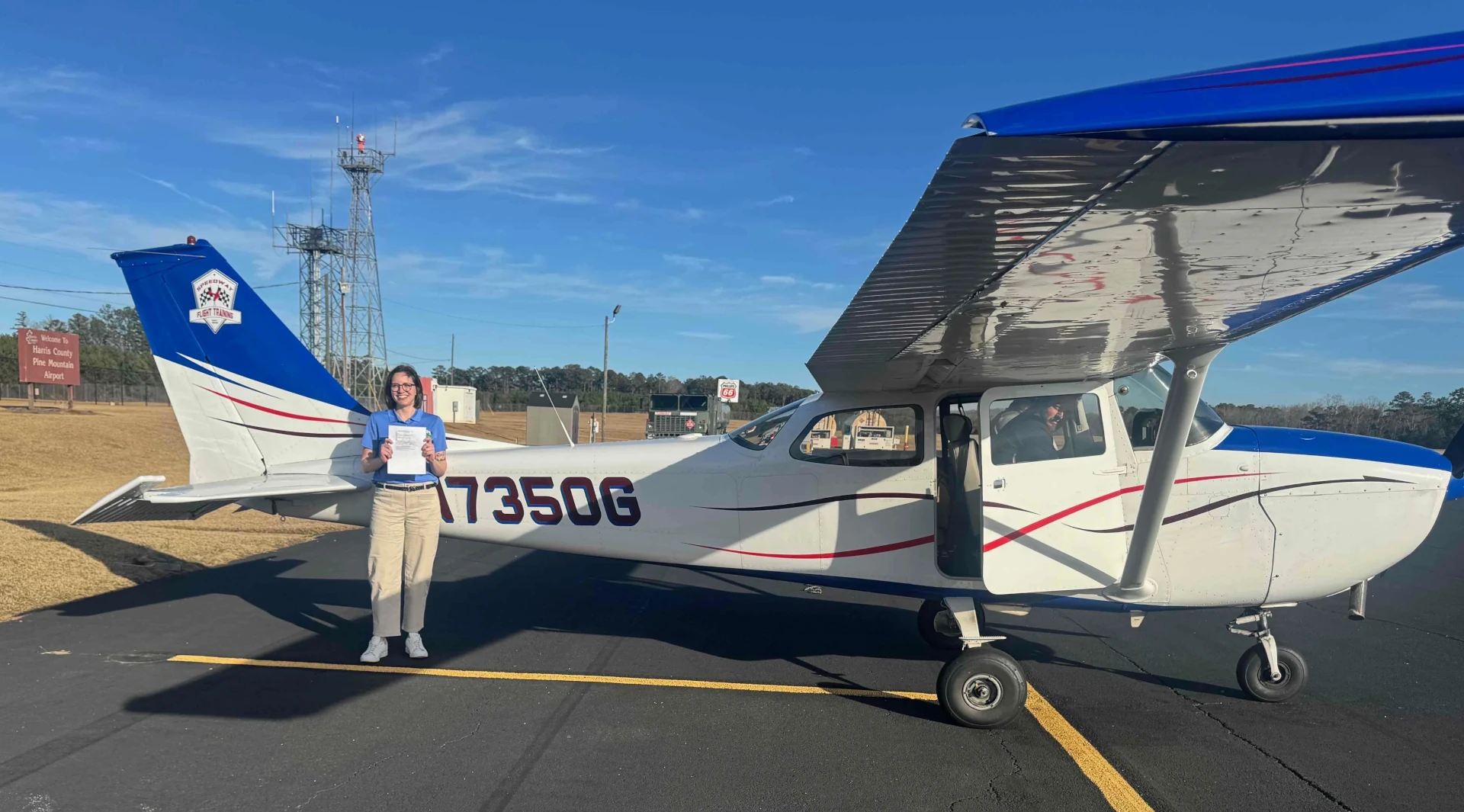
The right training pace should support steady progress from one earned milestone to the next.
Fast Track readiness questions
Can I complete Speedway’s Fast Track while working full time?
Your answer depends on the availability you can protect and the current training schedule. A full-time job may create limits around lessons, preparation, and recovery. Use the checklist above, then discuss your calendar during enrollment so we can help you compare accelerated and self-paced options.
Do I need previous flight experience?
No previous flight experience is required for the zero-to-CFI entry point. Pilots who already hold a private pilot certificate or instrument rating can discuss an appropriate later entry into the Fast Track pathway.
Does the 12-to-18-month estimate guarantee my completion date?
No. The estimate describes the program design, while individual progress varies. Preparation, proficiency, weather, aircraft and instructor availability, written tests, and practical-test scheduling can all affect timing. Review the complete training roadmap before planning around a specific finish date.
Should I arrange financing before I begin?
Build the complete budget before committing to the pace. If borrowing is part of your plan, review financing information and the lender’s current disclosures, qualification criteria, fees, and repayment terms.
What happens if accelerated training is not the right fit?
A self-paced pathway can still lead through the same individual certificates and ratings. We offer programs for private pilot, instrument, commercial, CFI, CFII, and multi-engine goals so your pace can reflect your current responsibilities.
Turn your checklist into a training plan
If the checklist shows that your time, preparation, finances, and career goals line up, the next step is a focused enrollment conversation. Bring your current schedule, experience level, medical progress, funding plan, and questions about the training rhythm.
Apply to Speedway’s Fast Track program and let us help you map a path that begins where you are and supports the pilot you are working to become.