What Does a Week in Speedway's Fast Track Program Look Like?
Published by: Sammy Shlapak
A week in accelerated flight training is built around more than time in the airplane. You prepare, fly, debrief, study, and return ready to improve one specific part of your performance. That rhythm is what turns a busy calendar into structured progress.
At Speedway Flight Training, our Fast Track to the Flight Deck connects private pilot, instrument, commercial, and Certified Flight Instructor (CFI) training in one career-focused plan. The exact schedule changes with your training stage, proficiency, weather, aircraft and instructor availability, and testing milestones. The week below is a representative rhythm rather than a fixed timetable or guaranteed number of flights.
Your week begins before the engine starts
A productive flight block often begins the day before. You review the lesson objective, study the relevant maneuver or procedure, check the weather picture, and organize what you need to bring. That preparation lets the instructor use the preflight discussion to sharpen your decisions instead of starting from a blank page.
During the private pilot stage, preparation may focus on checklists, traffic patterns, airspace, aircraft performance, or cross-country planning. During instrument training, it may include approach plates, IFR procedures, weather, alternate requirements, and a clear briefing flow.
Your instructor can then connect the ground discussion to the flight objective. The goal is to know what success looks like before you taxi, whether you are working on airspeed control, radio timing, an instrument scan, or a commercial maneuver.
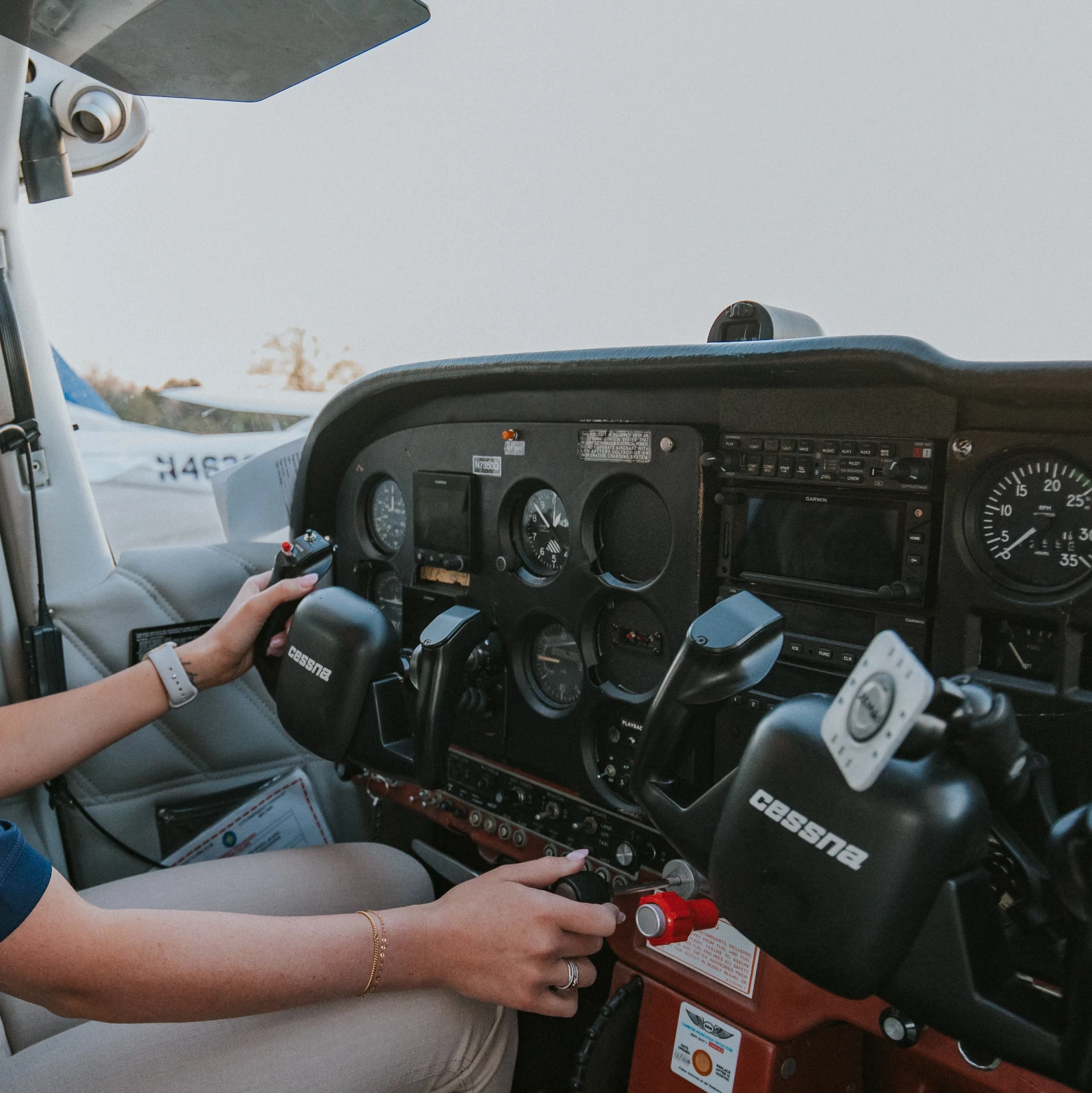
Preparation gives each cockpit task a purpose before the aircraft leaves the ramp.
Flight blocks turn preparation into performance
On a flying day, you move from planning to execution. A typical block can include a preflight briefing, aircraft inspection, the flight itself, and a postflight debrief. The lesson objective determines how much of the block happens in the air and how much belongs on the ground.
Our fleet includes Cessna 172 aircraft used for primary, instrument, commercial, and instructor training. Depending on the aircraft and lesson, students may work with Garmin navigation, dual electronic flight instruments, or autopilot-equipped Technically Advanced Aircraft. Modern avionics give you practical experience managing displays, navigation, and automation where the lesson calls for it.
The flight might stay in the pattern to improve takeoffs and landings. It might leave the local area for maneuvers, follow a cross-country route, or use instrument procedures to build precision and workload management. Every flight has a narrower objective than “get more hours.” Your logged time should also move a skill forward.
The debrief writes the plan for the next lesson
After shutdown, the most useful question is often simple: what should change next time? The debrief turns fresh cockpit experience into a short list of actions. You and your instructor can identify what met the standard, where performance drifted, and what preparation will make the next attempt stronger.
A pattern lesson might produce a note about pitch and airspeed. An instrument flight might reveal that approach briefings need to happen earlier. A cross-country lesson might show that cockpit organization became difficult during a frequency change. Specific feedback prevents a broad feeling of “I need to get better” from following you home.
Our instructional team emphasizes structure, small refinements, and consistent feedback throughout pilot training programs. Your job between lessons is to act on that feedback while the details remain clear.
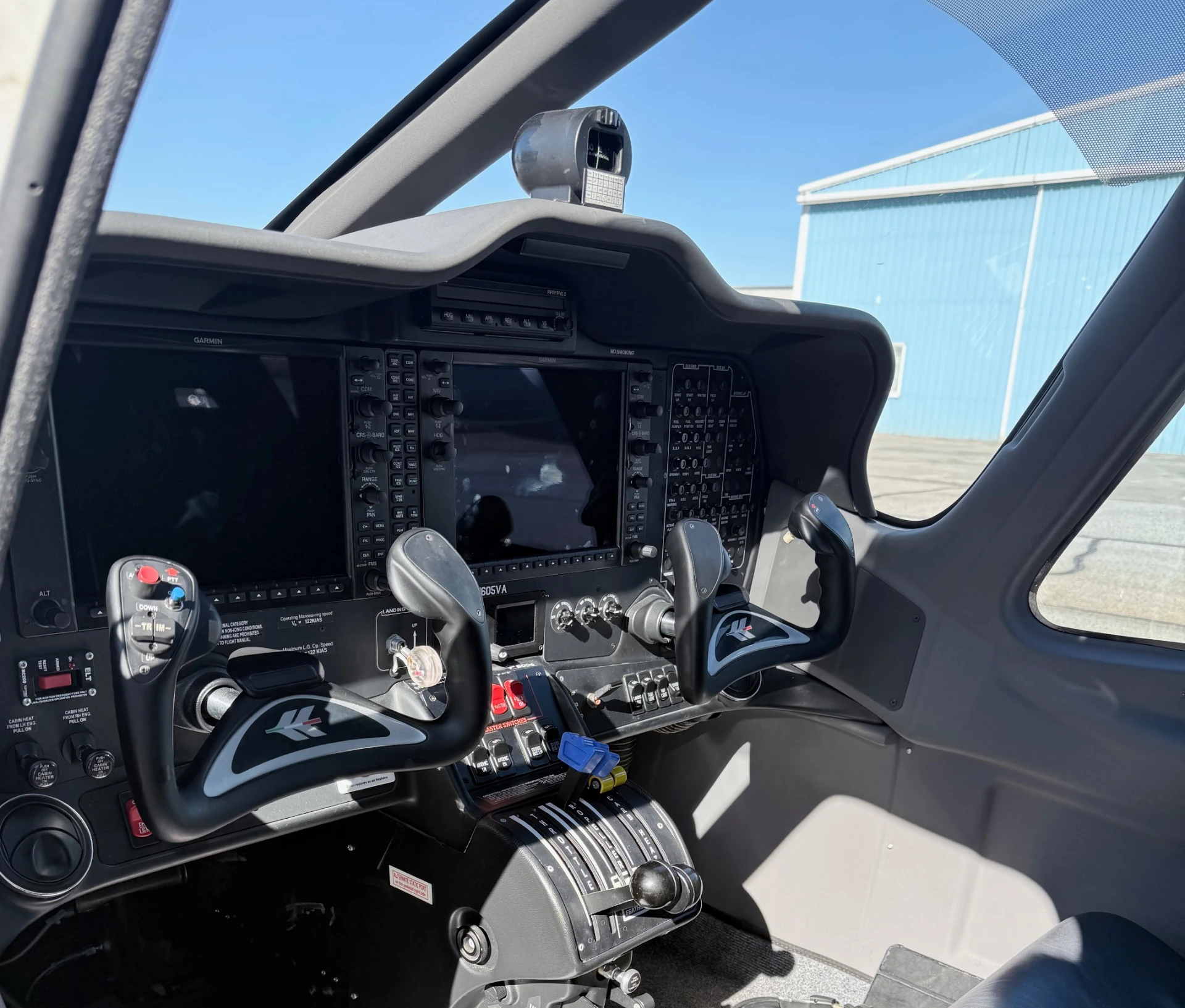
A focused debrief turns cockpit details into the next study and training objectives.
Ground days keep the training sequence moving
Some of the most important Fast Track work happens with the airplane parked. Ground instruction builds the knowledge you need to make sound decisions in flight and explain those decisions during an oral exam. Weather, systems, regulations, performance, navigation, aerodynamics, and risk management all need focused study.
The zero-to-CFI package includes structured ground school, FAA exam preparation, preflight and postflight instruction, and mock oral exams. During instrument training, a ground session may work through weather and approach planning. During commercial training, the focus may shift toward aircraft performance, advanced maneuvers, and professional standards.
Ground work also gives your instructor a place to find weak knowledge before it becomes cockpit confusion. A question found at a desk is cheaper and calmer to solve than the same question found while the airplane is moving.
Independent study connects one scheduled block to the next
The formal schedule cannot do all of the learning for you. Independent study is the bridge between instructor feedback and your next performance. That can include reviewing notes, reading assigned material, practicing a briefing aloud, working through test questions, chair-flying a procedure, or preparing a cross-country plan.
Chair flying means mentally rehearsing a flight procedure, often while touching or pointing to an imagined sequence of controls and instruments. It can help you organize a checklist flow or approach briefing before you perform it in the aircraft. The purpose is organized recall, not logging flight time.
Use the Fast Track roadmap to keep the larger sequence visible while you work on the next small objective. A week may feel focused on one maneuver or one knowledge area, but each task belongs to a progression toward the next certificate or rating.
Weather changes the activity without ending the learning
Weather is part of aviation, so a serious weekly plan needs room to adapt. A flight that cannot launch may create time for weather analysis, ground review, cross-country replanning, oral-exam practice, or another suitable training objective. The available alternative depends on your stage and your instructor’s plan.
This flexibility does not erase every schedule effect. Weather, maintenance, instructor and aircraft availability, written tests, and practical-test scheduling can affect an individual timeline. The useful habit is staying engaged with the training sequence when the original plan changes.
Our article on student-pilot safety habits explains why conservative decisions and personal minimums belong in training from the beginning. A weather change is also a chance to practice the judgment a professional pilot needs.
The rhythm changes as your certificates advance
Every Fast Track stage asks for a different kind of performance. The weekly structure remains preparation, instruction, practice, feedback, and study, while the content becomes more complex.
| Training stage | What may shape the week | Speedway program |
|---|---|---|
| Private pilot | Aircraft control, patterns, radio work, navigation, weather, solo preparation | Private Pilot |
| Instrument rating | Instrument scan, procedures, approaches, IFR planning, weather, ATC communication | Instrument Rating |
| Commercial pilot | Precision, advanced maneuvers, performance planning, professional standards | Commercial Pilot |
| Flight instructor | Right-seat proficiency, lesson plans, teaching, demonstrations, evaluation, oral preparation | Certified Flight Instructor |
Private pilot weeks often feel physical and immediate as you learn to control the airplane and manage the pattern. Instrument training adds procedural workload. Commercial training asks for repeatable precision. CFI preparation changes the task again because you must fly, explain, observe, and correct while maintaining a safe learning environment.
Students who already hold a private pilot certificate or instrument rating can discuss a later entry point into Fast Track. The schedule should begin with the credentials and proficiency you bring, rather than pretending every career student starts from zero.
Mock oral exams reveal what ordinary studying can hide
Reading a chapter and recognizing the material can feel reassuring. Explaining the same concept aloud is harder. A mock oral exam tests whether you can organize knowledge, apply it to a scenario, and communicate clearly.
We include mock oral exams and practical-test preparation in the Fast Track program. These sessions can reveal a missing connection between weather and a go/no-go decision, between aircraft performance and loading, or between a regulation and a planned operation.
Your instructor recommends you for an FAA practical test when you meet the applicable requirements and are ready. Practical tests commonly include an oral portion and a flight portion evaluated against the applicable standards. Preparation supports readiness, while no school can guarantee a checkride result or a particular examiner date.
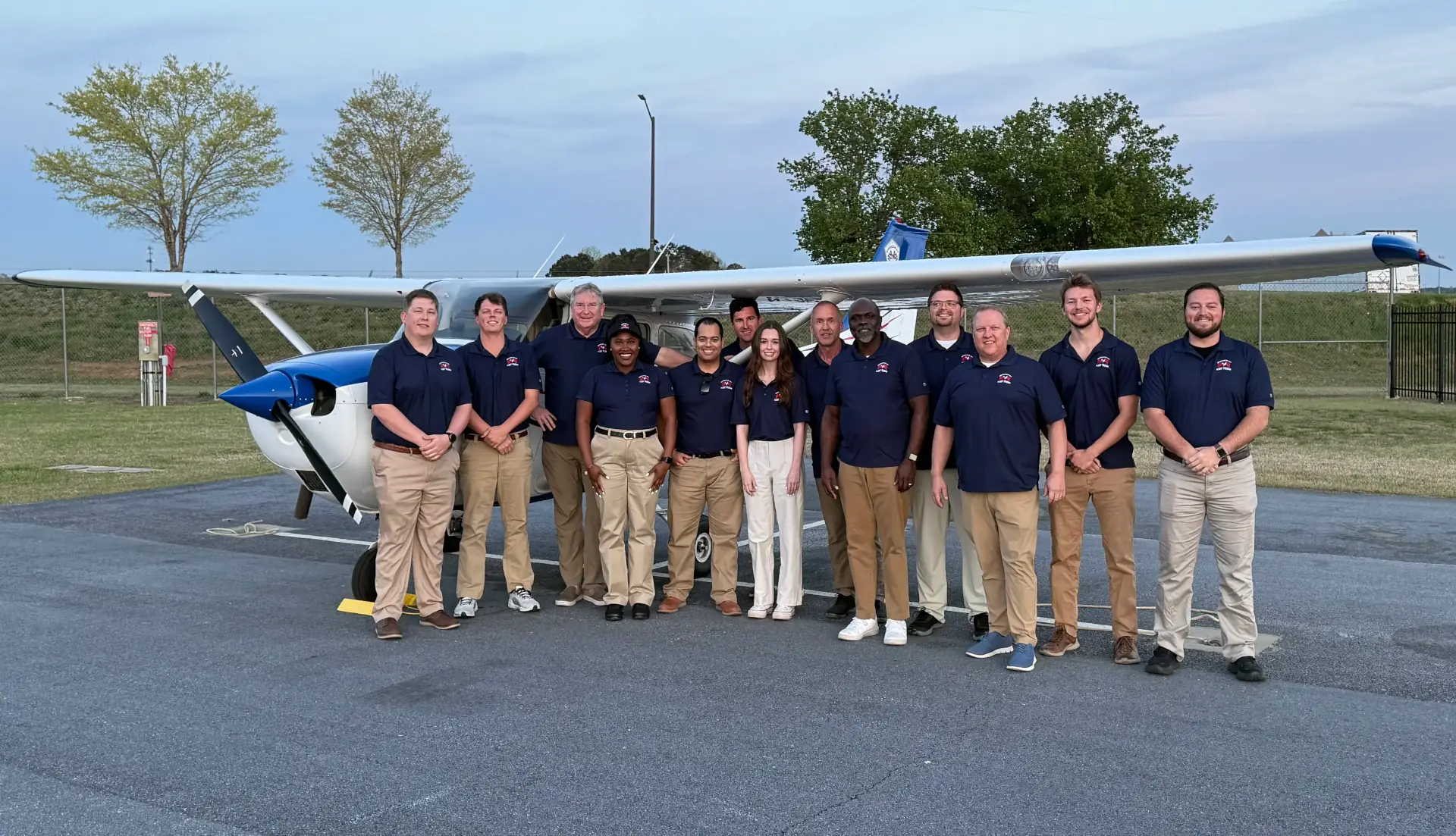
Instructor feedback, ground preparation, and mock oral practice connect daily work to each certification milestone.
Your weekly plan also needs a financial runway
An accelerated schedule can change your work hours, transportation needs, meals, childcare, and other parts of daily life. Build a weekly living budget beside the aviation training estimate. That gives you a clearer view of whether the pace can remain stable through each stage.
The Fast Track package identifies planned training components and additional student expenses. Review the current details on the Fast Track page, including equipment, testing, examiner, insurance, subscription, medical, and tax considerations. Training costs can also vary when a student needs additional time to reach proficiency.
Financing options may be available to qualified applicants through our financing partner. Review current lender disclosures, fees, qualification requirements, and total repayment obligations before using financing to support the weekly plan.
A simple weekly planning board keeps priorities visible
You do not need a complicated productivity system. One planning board can connect scheduled events, preparation, and recovery. Update it after each debrief so the next action stays visible.
Use four columns:
- Scheduled: flight blocks, ground sessions, tests, and school commitments.
- Prepare: reading, weather review, flight planning, lesson plans, or chair flying.
- Improve: the two or three feedback items from the latest lesson.
- Protect: sleep, meals, transportation, work boundaries, and contingency time.
Then connect each task to the relevant program milestone. If the board fills with scheduled activity but the preparation and recovery columns stay empty, the pace needs adjustment.
Fast Track weekly schedule questions
How many days per week will I fly?
Your current schedule depends on your training stage, instructor and aircraft availability, weather, and the plan built with Speedway. Contact our enrollment team to discuss current availability and the commitment expected for your entry point.
Is every day spent in an airplane?
No. Ground instruction, independent study, preflight planning, debriefs, mock oral exams, and test preparation are part of the training rhythm. Review the Fast Track inclusions to see how those components support the flight training.
What happens when weather cancels a flight?
Your instructor may redirect the available time toward an appropriate ground objective, such as weather analysis, knowledge review, flight planning, or oral preparation. The alternative depends on your training stage and the circumstances. Read more about aviation decision-making habits.
Can I work while attending Fast Track?
That depends on whether your job leaves dependable room for lessons, preparation, and rest. Bring an honest weekly calendar to the enrollment conversation so we can help you compare accelerated and self-paced training.
Does a busy schedule guarantee faster completion?
Activity alone does not guarantee progress. You still have to meet the applicable knowledge, experience, and proficiency standards, and timing can change with operational and testing variables. Consistent preparation makes the schedule more productive.
How should I prepare before the program begins?
Start with medical planning, a complete budget, protected calendar time, and a realistic support plan at home or work. Our Fast Track readiness checklist will help you identify gaps before enrollment.
Build a schedule you can sustain
The strongest Fast Track week has a clear rhythm: prepare with purpose, fly or study toward a defined objective, debrief honestly, and use feedback before the next lesson. The exact calendar may change, but those habits keep the training connected.
Apply to Speedway’s Fast Track program to discuss your starting point, current scheduling, and the weekly commitment that can support your professional pilot goals.